
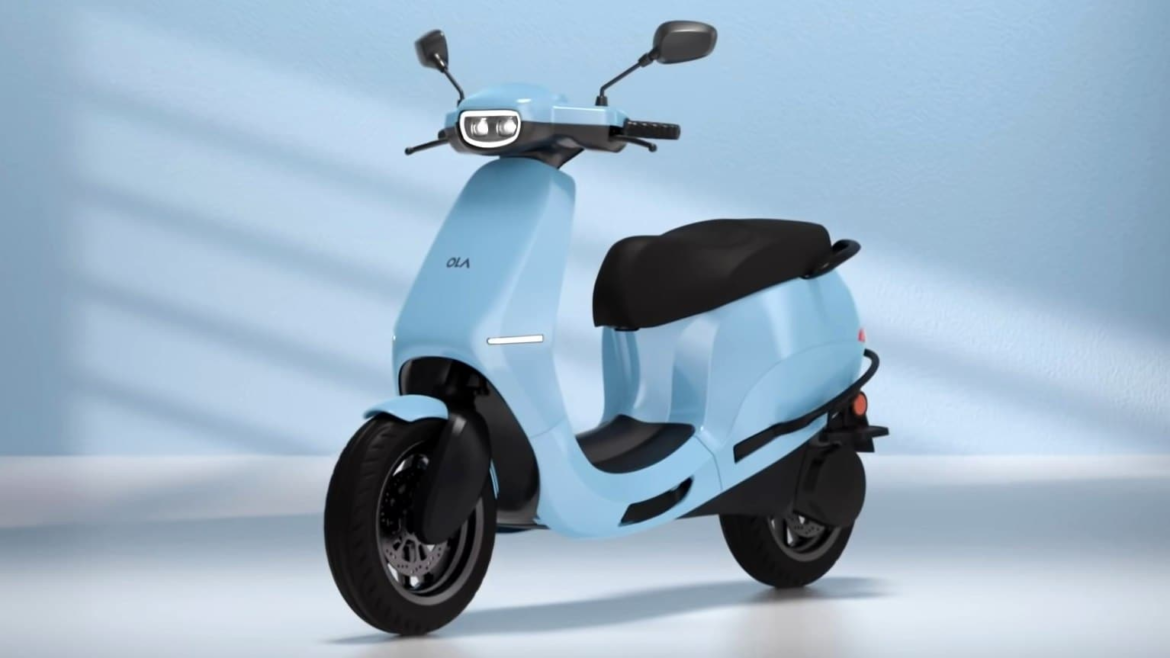
In the landscape of urban commuting, the debates around transportation modes often pivot around convenience, cost-effectiveness, and environmental impact. As cities grapple with traffic congestion and pollution, electric scooters have surged in popularity. Their appeal lies not only in their environmental benefits, but also in their practicality for daily office travel. In this exploration, we discuss whether electric scooters are indeed a better choice than traditional petrol bikes for daily commuting to the office, with a focus on the increasingly popular Hero Optima Electric model.
The Advantage of Electric Scooters
1. Environmental Impact
One of the foremost arguments in favor of electric scooters is their minimal environmental impact. Unlike petrol bikes that emit harmful gases and contribute to air pollution, electric scooters produce zero emissions during operation. As cities strive to reduce their carbon footprint and combat climate change, electric scooters present a sustainable alternative. Using them for daily office commutes can significantly decrease the cumulative carbon emissions of urban areas, making our environments cleaner and healthier.
Key Environmental Benefits
- Zero tailpipe emissions
- Reduced air pollution
- Lower carbon footprint
- Cleaner urban environments
- Support for sustainable transportation
2. Cost Efficiency
When considering daily office travel, cost is a crucial factor. While the initial purchase price of electric scooters might be comparable to that of petrol bikes, the long-term savings can be substantial. Electric scooters have fewer moving parts, which generally leads to lower maintenance costs over time. Additionally, the cost of electricity is considerably lower than petrol, especially given fluctuating fuel prices. For daily commuters looking to cut down on their travel expenses, electric scooters emerge as a financially savvy option.
Cost-Saving Advantages
- Lower running costs
- Reduced maintenance expenses
- Affordable charging costs
- Less dependency on fuel prices
- Better long-term savings
3. Convenience and Usability
Electric scooters excel in terms of convenience, especially in urban settings. They are lightweight, easy to maneuver, and well-suited for congested city streets. Finding parking for a petrol bike can sometimes be a daunting task, particularly in crowded areas, whereas electric scooters can often be parked in smaller spots. Many cities are also developing designated lanes for electric scooters, making them a more attainable option for navigating through traffic quickly.
Moreover, the simplicity of charging an electric scooter adds to its allure. Charging stations are becoming increasingly ubiquitous in urban environments, allowing riders to top off their scooters during the workday. For individuals commuting to the office, the ability to recharge during hours of work can alleviate range anxiety, making electric scooters a practical choice for daily travel.
Convenience Features
- Easy maneuverability in traffic
- Compact parking requirements
- Simple charging process
- Suitable for city commuting
- Growing charging infrastructure
4. Noise Pollution Reduction
Another often-overlooked advantage of electric scooters is their contribution to reducing noise pollution. Internal combustion engines on petrol bikes generate significant noise, which can contribute to stressful commuting experiences, especially in busy urban settings. Electric scooters operate quietly, providing a more serene commuting experience. This not only benefits riders but also positively affects the urban soundscape, fostering a more pleasant environment for everyone.
Noise Reduction Benefits
- Quieter riding experience
- Reduced urban noise pollution
- Less commuting stress
- More peaceful city environments
- Improved comfort for riders and pedestrians
Considerations for Commuters
1. Range and Charging Infrastructure
While electric scooters present numerous advantages, one must consider range and charging infrastructure. Depending on daily travel distances, commuters need to assess whether an electric scooter’s range aligns with their needs. Fortunately, models like the Hero Optima Electric are designed to cater to a variety of daily commuting distances.
Additionally, as cities increasingly embrace sustainable commuting options, the establishment of charging stations is on the rise. Enhanced charging infrastructures make it more feasible for daily users to rely on electric scooters without fear of running out of power.
Important Considerations
- Daily travel distance requirements
- Availability of charging stations
- Charging time requirements
- Route planning needs
- Accessibility of charging infrastructure
2. Performance in Different Conditions
Commuters should also think about performance under varying weather conditions. While electric scooters generally handle urban terrains well, factors like wet roads or steep inclines may influence their performance. Riders are encouraged to familiarize themselves with the specific capabilities of the scooter they choose, ensuring they feel confident and safe throughout their ride.
3. Safety and Regulations
Safety is an essential consideration for daily commuters, irrespective of the type of vehicle. Electric scooters have a different weight distribution and handling characteristics compared to petrol bikes, which may take time to adjust to. Additionally, riders must adhere to local traffic regulations, which may differ significantly between electric scooter use and traditional motorbikes.
Investing in quality protective gear is crucial for safety, and awareness of local laws regarding scooter use in bike lanes or sidewalks is vital.
Safety Essentials
- Use proper protective gear
- Follow local traffic regulations
- Understand scooter handling characteristics
- Stay aware of road conditions
- Practice safe riding habits
Making the Switch to Electric
Transitioning from a petrol bike to an electric scooter for daily office travel does not just require an adjustment in riding habits but also a shift in mindset. The increasing availability of models like the Hero Optima Electric makes this transition easier for many commuters.
1. Accessibility and Popularity
Electric scooters have gained considerable traction in recent years, largely spurred by the emphasis on green commuting. Increased governmental support, such as subsidies and tax incentives, has made electric vehicles more accessible to a broader audience. Many cities are now also considering policies to incentivize electric scooter usage while discouraging petrol consumption through regulations. Additionally, financing options from Bajaj Finance can help buyers manage the cost of purchasing an electric scooter, making sustainable mobility more accessible for daily commuters.
Reasons for Growing Popularity
- Government incentives
- Increased affordability
- Greater environmental awareness
- Expanding EV infrastructure
- Growing consumer acceptance
2. Community Acceptance
As more people opt for electric scooters, a shift in societal norms occurs. Commuters witnessing friends and family successfully integrating electric scooters into their daily routines are likely to consider making the switch themselves. Community acceptance can pave the way for an increasing number of electric scooters on our streets, leading to enhanced infrastructure tailored for their safe use.
Conclusion: The Future of Commuting
As urban populations continue to grow, the quest for effective, affordable, and environmentally-friendly commuting solutions becomes more pressing. Electric scooters, particularly models like the Hero Optima Electric, present an intriguing option for daily office travel.
With benefits ranging from reduced environmental impact and cost efficiency to convenience and noise pollution reduction, electric scooters are increasingly positioned as viable alternatives to petrol bikes. While considerations such as range, performance, and safety do warrant attention, the growing acceptance and infrastructure for electric scooters indicate a shift towards a more sustainable commuting future.
Ultimately, the decision between an electric scooter and a petrol bike for daily office travel may not just be about the mode of transportation, but about envisioning a more eco-friendly and efficient urban landscape. For those weighing their options, it’s clear that electric scooters are not just a trend—they are becoming an essential component of the future of commuting.