
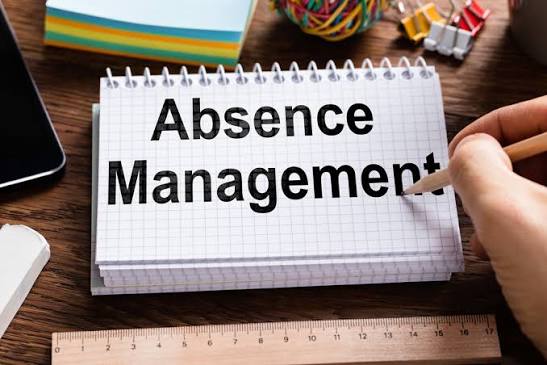
An occasional sick day is a normal part of working life. The business problem begins when absences are poorly recorded, patterns go unnoticed, managers respond inconsistently or employees feel pressure to work when they are not fit to do so. A sound process should protect legitimate leave while giving the organisation enough information to plan work responsibly.
1. Start with accurate records
Managers need a reliable view of when employees are absent and what type of leave is being used. In Australia, sick and carer’s leave is also known as personal leave, and eligibility and evidence requirements depend on the employee’s circumstances and applicable workplace rules. Records should be handled confidentially and only shared with people who need access.
2. Look for operational patterns, not assumptions
Several absences in one team may reflect workload, seasonal illness, rostering problems or simple coincidence. Absence management should help a business identify patterns that deserve a closer look without jumping to conclusions about an individual employee. Data can show when work is under pressure, but a manager still needs context before deciding what action is appropriate.
3. Apply the same process consistently
Employees should know how to report an absence, who to contact and when evidence may be requested. The Fair Work Ombudsman notes that employers can ask for evidence for sick or carer’s leave in relevant circumstances, such as a medical certificate or statutory declaration. Internal procedures should align with applicable workplace laws, awards, agreements and policies rather than relying on informal habits.
4. Train managers for the conversation
A return-to-work discussion need not become an interrogation. Its purpose can be to confirm the employee is back, check whether any work adjustments are needed and make sure records are complete. Managers should avoid seeking unnecessary medical details and should know when a situation needs HR or specialist advice.
5. Protect privacy
Health information is sensitive. Notes about an employee’s absence should be stored appropriately and access should be controlled. Team communication usually needs to focus on work coverage rather than the reason for a colleague’s leave. Respectful handling of information supports trust and reduces the risk of casual disclosure.
6. Plan for repeated disruption
Effective absence management also considers workload continuity. Absence often affects colleagues who cover shifts, deadlines or customer work. Cross-training, realistic staffing and documented handovers can reduce that pressure. Good absence management therefore includes operational resilience, not only leave administration.
7. Know when the issue has changed
A short illness, a recurring pattern and a long-term health condition may require very different responses. Performance concerns should not be confused with lawful leave, and a manager should not make assumptions about capability based on limited information. Where an ongoing situation raises legal, medical or workplace adjustment questions, professional advice may be appropriate.
8. Review the workplace itself
Absence data can sometimes point towards wider issues such as fatigue, workload, poor scheduling or low morale, although it does not prove the cause. Employers can use patterns as a prompt to examine how work is organised. This turns the process from simple counting into a more useful management tool.
In Australia, full-time and part-time employees covered by the National Employment Standards generally accrue paid personal leave, while different rules can apply to casual employees and particular situations. Employers should check current requirements for the individual case rather than relying on a generic rule.
9. Keep policy language practical
A policy should tell employees what to do when they cannot attend work, not bury the process in technical wording. It can explain notification channels, evidence expectations and where questions should go. Strong absence management also gives managers a common reference point, reducing the chance that similar situations are handled differently across teams.
Absence becomes a bigger business problem when uncertainty and inconsistency surround it. Clear reporting, secure records, trained managers and sensible workforce planning can make the response more predictable. The aim is not to eliminate sick days, but to manage their impact fairly while respecting legitimate time away from work.