

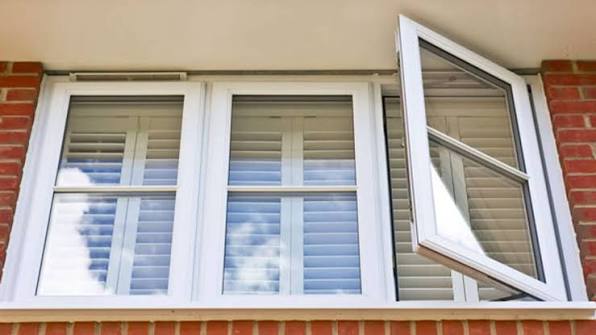
A damaged double glazed unit does not always mean the whole window needs replacing. Cracked glass, misting, draughts, damaged seals and faulty hardware can affect a window in different ways, so the right solution depends on what has failed and whether the frame is still in good condition.
If the glass is badly cracked, shattered or leaving the property exposed, an emergency double glazing repair may be needed to make the area safe and secure before a permanent solution is arranged. For less urgent problems, an inspection can help determine whether the glass unit, window hardware or complete frame needs attention.
Understanding What Has Failed
A double glazed unit contains two panes of glass separated by a sealed space. The unit sits inside a window or door frame and helps reduce heat transfer compared with single glazing. It is therefore important to separate a problem with the glass unit from a problem with the frame or its working parts.
A window may have a sound frame but a failed glass unit. In other cases, the glass may be intact while hinges, handles, locks or seals have developed faults. Identifying the actual cause helps avoid replacing more of the window than necessary.
Signs the Glass Unit May Need Replacing
One of the clearest warning signs is condensation or misting trapped between the panes. Moisture on the room-facing surface can often be wiped away and may be linked to indoor humidity, but moisture inside the sealed unit usually points to a failed seal.
Cracks and chips also need attention. Damage can spread because of temperature changes, movement in the frame or further impact. A cracked pane can reduce security and may allow draughts or water to enter.
Cloudy glass, trapped moisture or obvious damage to one or both panes are good reasons to have the unit assessed rather than attempting a temporary patch.
When a Repair May Be Enough
Not every double glazing problem comes from failed glass. If a window is difficult to open, does not close evenly or feels loose, the cause may be a hinge, handle, lock or alignment issue. Worn seals around the opening section can also create draughts while the sealed glass unit remains intact.
In these situations, adjusting or replacing the affected component may solve the problem without changing the glass. The frame also matters. If it is stable, secure and correctly fitted, it may be possible to retain it even when the sealed glass unit needs replacement.
Factors to Check Before Deciding
Several practical checks can help show whether the problem is limited or more extensive:
- Check whether the damage affects only the glass or also the frame.
- Look for condensation between the panes rather than only on the inner surface.
- Check whether the window opens, closes and locks correctly.
- Look for cracks, shattered areas or loose glass.
- Notice whether draughts appear around the opening edges or seals.
- Check whether the frame looks warped, damaged or unable to hold the unit securely.
These checks can help describe the fault, but professional assessment is sensible when safety, security or the condition of the frame is uncertain.
When the Damage Becomes Urgent
Broken glazing can become an immediate safety issue when glass is loose, sharp or at risk of falling. A damaged ground-floor window or glazed door may also leave the property less secure. The first priority is to keep people away from the broken area and prevent further damage.
An emergency double glazing repair may involve making the opening safe before a permanent replacement can be fitted. Double glazed units are commonly made to match the size of the existing opening, so accurate measurements may be required before the replacement unit is prepared.
Do not remove large pieces of broken glass unless it is safe to do so and you have suitable protection. Keep children and pets away, and avoid using a damaged window or door if movement could cause more glass to break.
Repairing the Unit Versus Replacing the Whole Window
Misted or cracked double glazing does not automatically mean the complete window must be removed. If the surrounding frame remains sound, replacing only the sealed glass unit may be appropriate.
A full window replacement becomes more relevant when the frame is badly damaged, distorted, insecure or unable to support a replacement unit properly. The age of the window can be considered, but condition is usually more useful than age alone when deciding what work is needed.
This distinction matters because the glass, frame and hardware are separate parts. Replacing the failed part can be sufficient when the remaining components are still serviceable.
What a Professional Assessment Should Cover
A glazing professional should identify where the fault is before recommending repair or replacement. The assessment may include the panes, sealed unit, frame, seals, hinges, handles, locks and general operation of the window.
It also helps to explain when the problem began and whether it followed an impact, bad weather, difficulty closing the window or gradually increasing misting. This information can make it easier to distinguish an isolated glazing failure from a wider problem affecting the frame or hardware.
Final Remarks
The choice between repair and replacement depends on which part of the window has failed. Misting between panes, cracked glass and failed sealed units may point towards glass replacement, while problems with handles, hinges, locks, seals or alignment may be repairable without changing the entire window.
If the glazing is broken, unstable or leaving the property exposed, arrange an emergency double glazing repair and keep the area clear until it has been made safe. For non-urgent faults, have the whole window assessed first so the decision is based on the condition of the glass, frame and working parts rather than appearance alone.