
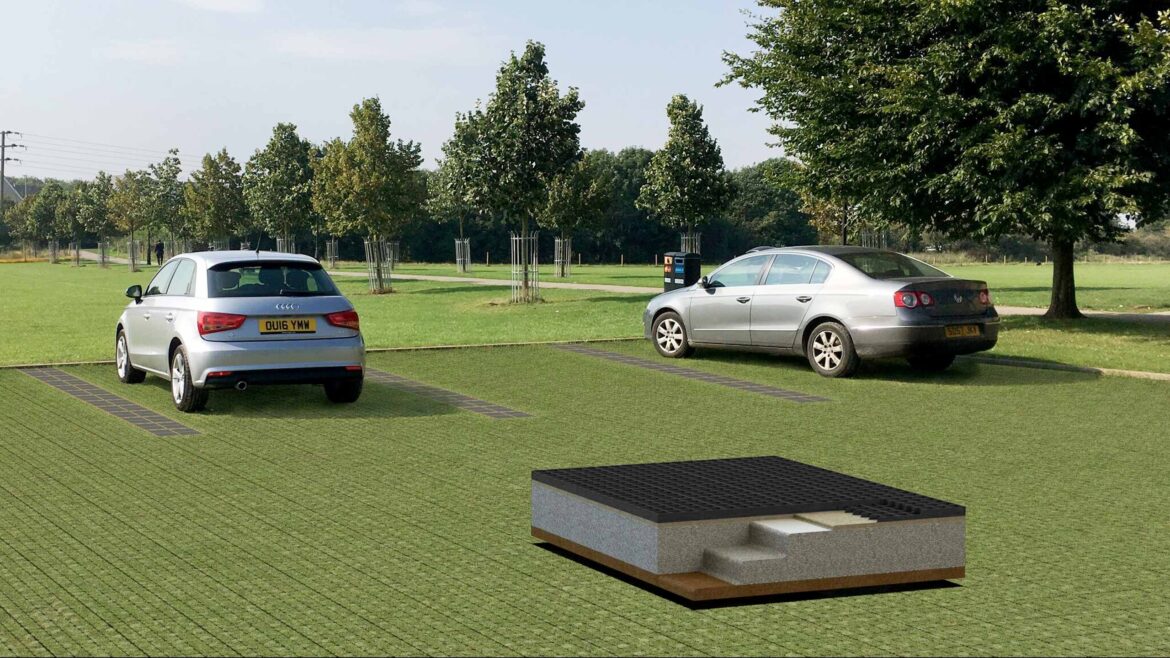
For property owners who want practical surfaces without sacrificing natural beauty, a grass Grid system offers the perfect balance. These interlocking panels reinforce grassy areas so they can support regular footfall, vehicles, and livestock—while still looking like natural turf once established. Ideal for residential, agricultural, and commercial landscapes, grass grids enhance stability, drainage, and visual appeal.
How Grass Grid Systems Protect and Strengthen Turf
Healthy grass struggles under heavy use because soil becomes compacted, restricting root growth and causing muddy, uneven surfaces. A grass Grid provides a structured framework beneath the turf, distributing weight and preventing soil collapse. This protects the root system while keeping the ground level and resilient.
Key benefits include:
- Reduced soil compaction
- Protection against rutting and churned surfaces
- Enhanced load-bearing capacity for cars, pedestrians, and animals
- A more uniform, attractive lawn or green space
Once the grass grows through the open cells, the grid becomes almost invisible while continuing to reinforce the ground below.
Ideal Applications for Homes, Farms, and Commercial Landscapes
Grass reinforcement grids are incredibly versatile, making them suitable for a wide range of outdoor uses. They provide stability where traditional turf would struggle and offer a greener alternative to hard surfaces like concrete or tarmac.
Common applications include:
- Green driveways and eco-friendly parking bays
- Paddocks and equestrian turnout areas
- Pedestrian pathways and garden walkways
- Fire and emergency access routes
- Caravan and campsite pitches
- Landscaped public spaces and parks
With products available in different strengths and specifications, grass Grid systems from Ecodeck can be tailored to meet the needs of domestic homeowners, landscapers, and commercial site managers.
Promoting Better Drainage and Sustainable Urban Design
As cities move toward greener infrastructure, permeable surfaces are becoming increasingly important. Hardstanding areas often create water runoff, leading to drainage problems and increased flood risk. Grass grids offer a sustainable solution by allowing water to drain naturally through the soil.
Environmental benefits include:
- Reduced surface water pooling
- Natural groundwater replenishment
- Support for Sustainable Urban Drainage Systems (SuDS)
- Improved soil health and aeration
By combining structural support with natural drainage, grass grids enhance both function and sustainability.
Simple Installation for Long-Lasting Performance
Installing a grass reinforcement grid is straightforward, making it an excellent option for landscaping professionals and confident DIY users. The lightweight panels clip together easily and can be shaped to fit curved or irregular areas.
Typical installation steps include:
- Preparing and levelling the ground
- Adding a suitable base layer for stability
- Laying the interlocking grid panels
- Filling the cells with soil
- Seeding or laying turf over the top
Once the grass establishes, the area becomes a stable, green surface that remains durable throughout the seasons.
Conclusion
Grass grid systems offer an ideal combination of aesthetics, strength, and sustainability. By reinforcing the ground while allowing natural grass to flourish, they create durable green spaces suitable for driveways, pathways, paddocks, and commercial landscapes. Whether you want to improve drainage, reduce mud, or create eco-friendly parking, grass Grid solutions provide a long-lasting foundation that blends perfectly into any environment.