
Anyone who has spent time on a call center floor knows the strange rhythm of outbound calling. Agents click, wait, listen to ringing tones, hit voicemail, try again. Minutes pass without a real conversation. By the end of the day, it’s not uncommon for a skilled agent to spend more time waiting than actually talking to customers.
That imbalance quietly drains productivity.
Most managers first notice it when campaign numbers look disappointing. Hundreds of calls attempted. Very few meaningful conversations. Agents aren’t the issue — the dialing process is.
This is where a progressive dialer starts to change the pace of operations.
The Hidden Time Drain in Manual Dialing
A few years ago, I worked with a mid-sized B2B sales team running outbound campaigns for software demos. Their agents were dialing manually from a CRM list.
On paper, the system looked organized.
In reality, each agent followed the same routine:
- Dial a number
- Wait through ringing
- Hit voicemail
- Leave a message
- Move to the next contact
It sounds simple, but the math gets ugly. If an agent spends 25–35 seconds per unanswered call, that adds up to hours of non-productive time across a team.
Multiply that by twenty agents and a full workday. Suddenly the contact rate drops far below expectations.
Manual dialing creates friction that people rarely measure properly.
How Progressive Dialing Changes the Flow
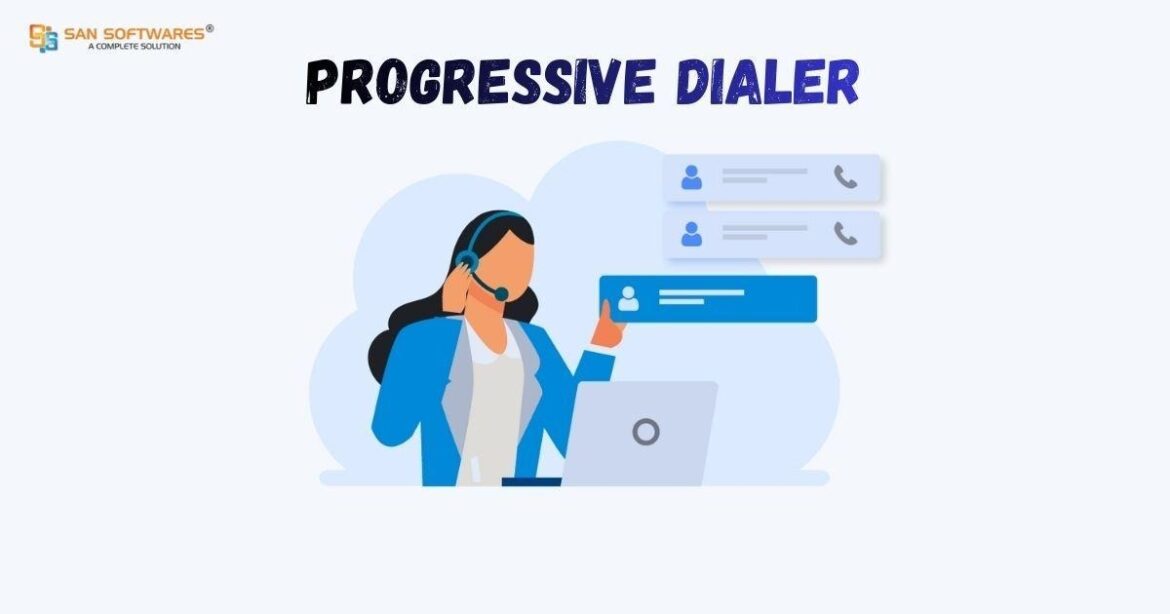
A progressive dialer shifts the workload away from the agent and onto the system.
Instead of agents dialing numbers themselves, the software calls the next number automatically when the agent becomes available. It connects the agent only when a real person answers.
No guessing. No wasted time listening to rings.
The agent simply finishes one call and moves directly into the next conversation.
The difference feels small at first. Yet when teams adopt this approach, the call rhythm becomes noticeably smoother.
Agents stay in conversation mode instead of switching constantly between dialing and talking.
Why Agents Actually Prefer It
Call center tools often promise efficiency but end up frustrating the people using them. Progressive dialing tends to have the opposite effect.
Agents usually appreciate it.
One supervisor told me something interesting after introducing it to a customer service outreach campaign. During the first week, agents thought the system was “calling too fast.”
By week two, the complaints disappeared.
They realized something: their shifts felt shorter.
Not because they were working less — they were just spending more time doing the part of the job they were hired for: talking to people.
A well-configured progressive system keeps agents busy without overwhelming them. That balance matters.
Where Automated Dialers Fit In
The broader category of automated dialers includes several dialing modes. Predictive systems, preview dialers, power dialers — each has its place.
Progressive dialing sits in a comfortable middle ground.
Predictive systems push call volume aggressively and sometimes connect agents to multiple calls in quick succession. That works for massive campaigns but can feel chaotic in smaller teams.
Progressive dialing is more controlled. One call per available agent. No sudden spikes. No awkward delays where customers hear silence.
For B2B outreach or service follow-ups, that controlled pace often works better.
A Simple Example from a Lead Generation Campaign
One SaaS company I spoke with ran a quarterly outbound campaign targeting marketing managers. Their list had around 8,000 contacts.
Initially, agents dialed manually.
Here’s what their manager noticed after reviewing the reports:
- Average conversations per agent per hour: 6–7
- Time lost to ringing or voicemail: almost half the shift
After switching to a progressive dialing setup, the pattern changed quickly.
The numbers shifted to:
- 10–12 conversations per hour
- Less idle time between calls
- Agents finishing call lists earlier in the day
Nothing dramatic happened behind the scenes. The dialing process simply stopped slowing everyone down.
Operational Gains That Add Up
Managers usually focus on contact rates first, but the benefits go further.
1. More consistent agent pacing
Agents stay engaged without feeling rushed. The system keeps calls moving naturally.
2. Lower agent fatigue
Manual dialing sounds simple, yet constant task-switching drains attention. Progressive dialing removes that mental friction.
3. Cleaner campaign tracking
When calls move through the system automatically, reporting becomes clearer. Managers see accurate call attempts, connections, and outcomes.
4. Better customer experience
No awkward delays when someone answers. The agent is already present and ready to speak.
That last point often gets overlooked, but customers notice.
What Teams Should Pay Attention To
Not every call center immediately sees results. The setup matters.
A few practical lessons I’ve seen work well:
Keep call lists clean
Bad numbers and outdated contacts reduce the impact of any dialing system.
Match pacing with agent capacity
If the dial rate is too aggressive, conversations start feeling rushed. The goal is steady flow, not pressure.
Train agents on call transitions
When calls arrive faster, agents must move smoothly from one conversation to the next.
Review connection data regularly
Campaign data often reveals patterns — best call times, regions with higher answer rates, or lead segments worth prioritizing.
Small adjustments often produce the biggest improvements.
The Real Shift Isn’t Just Technology
Many call centers assume operational efficiency comes from adding more people or increasing call targets.
Often, it’s the workflow that needs attention.
Progressive dialing doesn’t magically solve every outbound challenge. Yet it removes one of the most common bottlenecks — the time agents spend trying to reach someone instead of actually speaking with them.
When that barrier disappears, something interesting happens.
Conversations increase. Agents stay focused. Campaign momentum builds naturally.
And the call floor starts sounding different — less ringing, more talking.