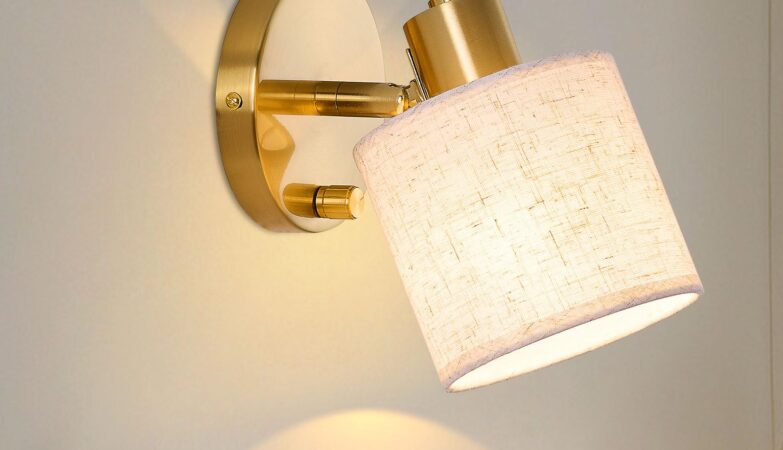

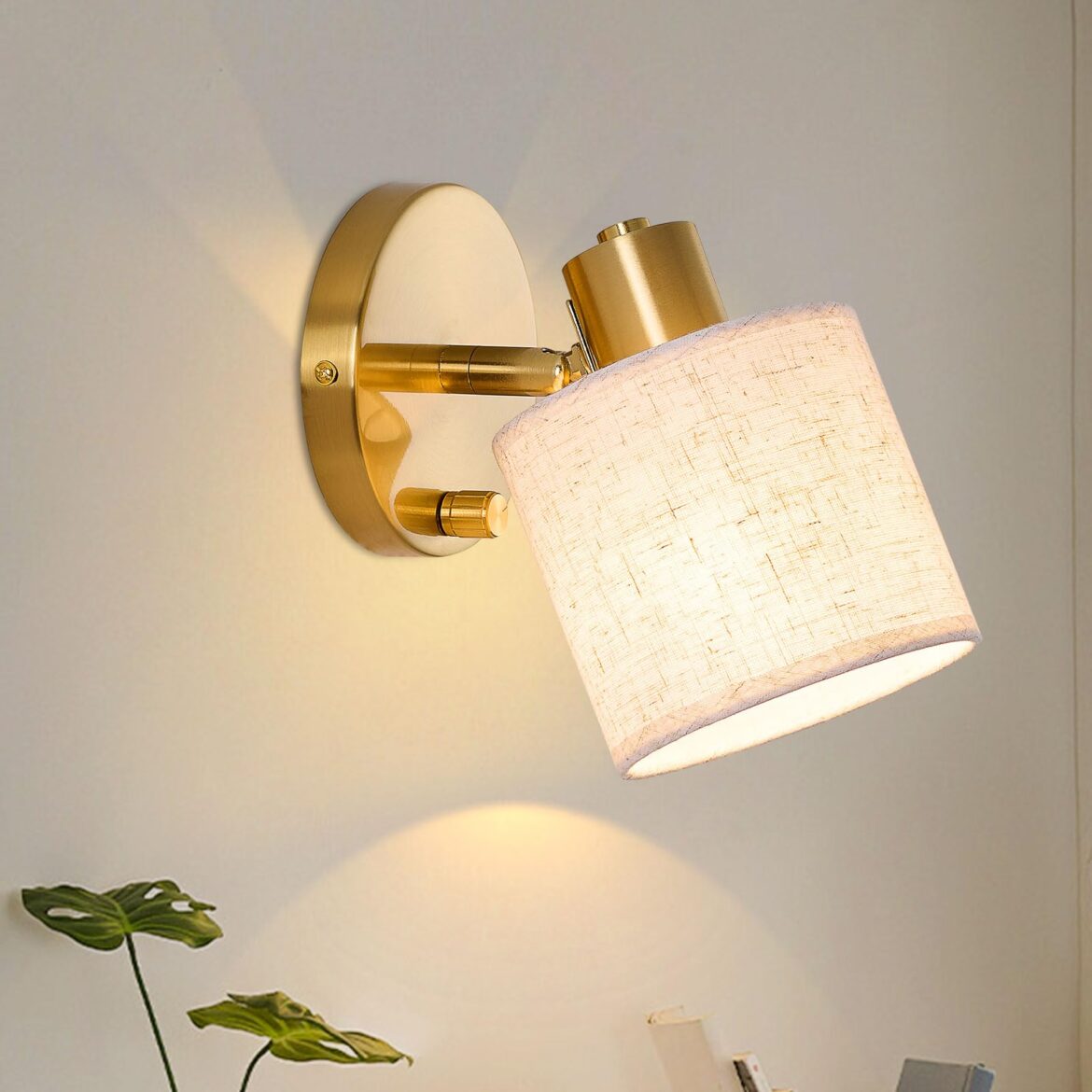
One small choice that can have a big effect on daily comfort is the colour of the reading light bulb that you put on the wall. A lot of people put beautiful lights on their walls only to find that the light they give off is either too dim to read or too bright for their eyes. The colour of an LED light used for reading can make you feel better, get more done, and concentrate better. To understand whether a lamp gives off a cool, bluish-white light or a warm, golden hue, you need to know colour temperature, which is measured in Kelvin. Warm white or soft white lights in the 2700K to 3000K range are ideal for comfortable reading nooks and study sessions in beds since they can lessen eye pain and improve the quality of sleep. Many people find this warm range to be just right for reading in bed or in an area of their living room.
Why Warm Light Wins for Evening Readers
There is solid science behind the recommendation for warmer tones in the evening. Studies in the journal Environmental Health Perspectives say that using warmer lights between 2000K and 3000K and staying away from blue lights above 4000K before bed will help you sleep better. This is because blue light may make it harder to fall asleep in the evening. Light from a wall lamp above a reading chair or next to a bed should be soft and relaxing, not bright enough to keep you awake. Retailers like Comet Lighting UK carry an excellent range of wall lamps with switch options that make it effortless to control light right from the fixture itself. Products such as the Yarqon Wall Light in Brushed Gold with Ribbed Glass or the elegant Bani Wall Light in Chrome with Clear Coned Glass are outstanding choices that combine beauty with function. The Skeena Wall Light in Polished Chrome and the bold Tennsift Wall Light in Black also provide focused, stylish illumination suited to reading corners and bedsides alike.
When Cooler Tones Make More Sense
Not every reading session calls for a warm glow, however. Daylight or cool white lights in the 5000K to 6500K range make you smarter and more aware. A cool temperature that keeps mental clarity may be beneficial for workers reviewing papers at home or for students learning at a desk during the day. Neutral white light at 4000K to 4500K mimics natural sun to ease eye pain and help people concentrate for longer periods of time. The Ortona 1-Light Wall Light can be used for many things and works well with a range of bulb temperatures. Depending on the job at hand, users can switch between warm and cool lights.
Bringing the Right Light Beyond the Wall
There are times when a softer, more personal glow on a study desk or bedroom table completes the image, even while wall-mounted bulbs do a fantastic job of overhead and directional reading light. This is where a high-quality table lamp and shade come into play, improving rather than fighting with the wall light. A great way to add ambient warmth to a space that already benefits from focused wall lighting is to hire brands like Aartin, which are well-known for their carefully designed table lamp shades. A balanced reading atmosphere that feels welcome without overpowering the eyes can be made by matching a well-selected shade on the table with a properly coloured wall light overhead.
Practical Tips for Getting It Right
A light level of about 400 lumens will be sufficient to see the text without putting extra strain on the eyes. Additionally, homes should look for lights with a Colour Rendering Index (CRI) of 80 or higher. CRI is a measure of how truly colours look under an LED bulb, and a CRI of at least 80 is suggested for best results. Lastly, by adding a switch to the wall bulb, the reader can change the brightness to suit various times of day, changing an excellent light into the ideal light for every setting.