

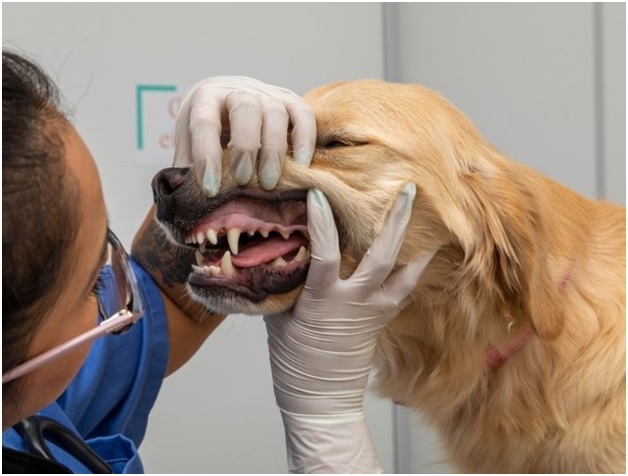
Maintaining your pet’s dental health is more than just a cosmetic concern—it plays a vital role in their overall wellbeing. Just like humans, pets can develop dental problems such as plaque, tartar buildup, and gum disease, which can lead to pain, infection, and even systemic health issues if left untreated. Understanding the importance of dental care and knowing when to seek professional help can significantly improve your pet’s quality of life.
A pet dentist is a specialized veterinary professional trained to handle all aspects of animal oral health. From routine cleanings to complex procedures, they help prevent dental diseases that could affect your pet’s heart, kidneys, or liver over time. Regular visits to a pet dentist ensure early detection of dental problems, saving your furry companion from unnecessary discomfort and reducing long-term healthcare costs.
Why Pets Need Dental Care
Pets, whether cats or dogs, are prone to developing dental problems that often go unnoticed until they become severe. Signs of dental issues in pets include bad breath, difficulty eating, excessive drooling, and red or swollen gums. Ignoring these symptoms can lead to periodontal disease, tooth loss, and infections that might spread to other organs.
Daily dental care at home, such as brushing your pet’s teeth and providing dental chews, is essential. However, professional care remains crucial because some issues are not visible or reachable through routine home care. A pet dentist uses specialized tools and techniques to remove tartar, treat infections, and perform preventive procedures that help maintain strong teeth and healthy gums.
Common Dental Procedures for Pets
Pet dentists offer a wide range of services to keep your pets’ mouths healthy. Some of the most common procedures include:
- Professional Teeth Cleaning: Removes plaque and tartar that accumulate even with regular brushing at home.
- Tooth Extractions: Necessary for damaged or infected teeth that could cause pain or spread infection.
- Oral Surgery: Used for injuries, tumors, or structural abnormalities in the mouth.
- Dental X-Rays: Help detect hidden issues beneath the gumline, such as root infections or bone loss.
- Preventive Care: Includes sealants and fluoride treatments that protect teeth from decay.
Regular checkups allow the veterinarian to create a tailored dental plan for your pet, addressing their unique needs based on age, breed, and health status.
Benefits of Early Dental Care
Starting dental care early in your pet’s life has long-lasting benefits. Puppies and kittens are less likely to develop severe dental issues when introduced to preventive care at a young age. Early dental interventions reduce the risk of painful infections and costly procedures later on.
Maintaining dental health can also improve your pet’s behavior and comfort. Pets with healthy teeth are more likely to eat normally, remain active, and show fewer signs of pain or irritability. A clean, healthy mouth contributes to better nutrition and enhances their overall wellbeing.
Tips for Home Dental Care
While professional dental care is critical, maintaining good oral hygiene at home complements these efforts. Some tips include:
- Brush your pet’s teeth regularly using a pet-safe toothbrush and toothpaste.
- Provide dental chews or toys designed to reduce plaque and tartar.
- Monitor your pet for signs of dental discomfort such as pawing at the mouth or reluctance to eat.
- Schedule routine veterinary dental checkups at least once a year, or more frequently if recommended by your veterinarian.
Consistency in home dental care combined with professional checkups ensures your pet’s teeth and gums remain healthy throughout their life.
Choosing the Right Pet Dentist
Selecting a qualified pet dentist is essential for your pet’s health. Look for a veterinarian with specialized training in dental procedures for animals and experience handling pets of different sizes and breeds. Check for credentials, reviews, and recommendations from other pet owners.
A skilled pet dentist will not only treat existing issues but will also educate you on preventive care strategies, helping to extend the longevity of your pet’s teeth. Communication and trust between you and your veterinarian are key to ensuring a positive experience for your pet during dental visits.
Conclusion
Oral health is a cornerstone of your pet’s overall wellbeing. Ignoring dental issues can lead to serious health problems and discomfort. Regular visits to a pet dentist, combined with consistent home care, help prevent dental diseases and ensure your furry companion remains happy, healthy, and pain-free. Prioritizing dental health is an investment in your pet’s long-term quality of life, making it one of the most important aspects of responsible pet ownership.