
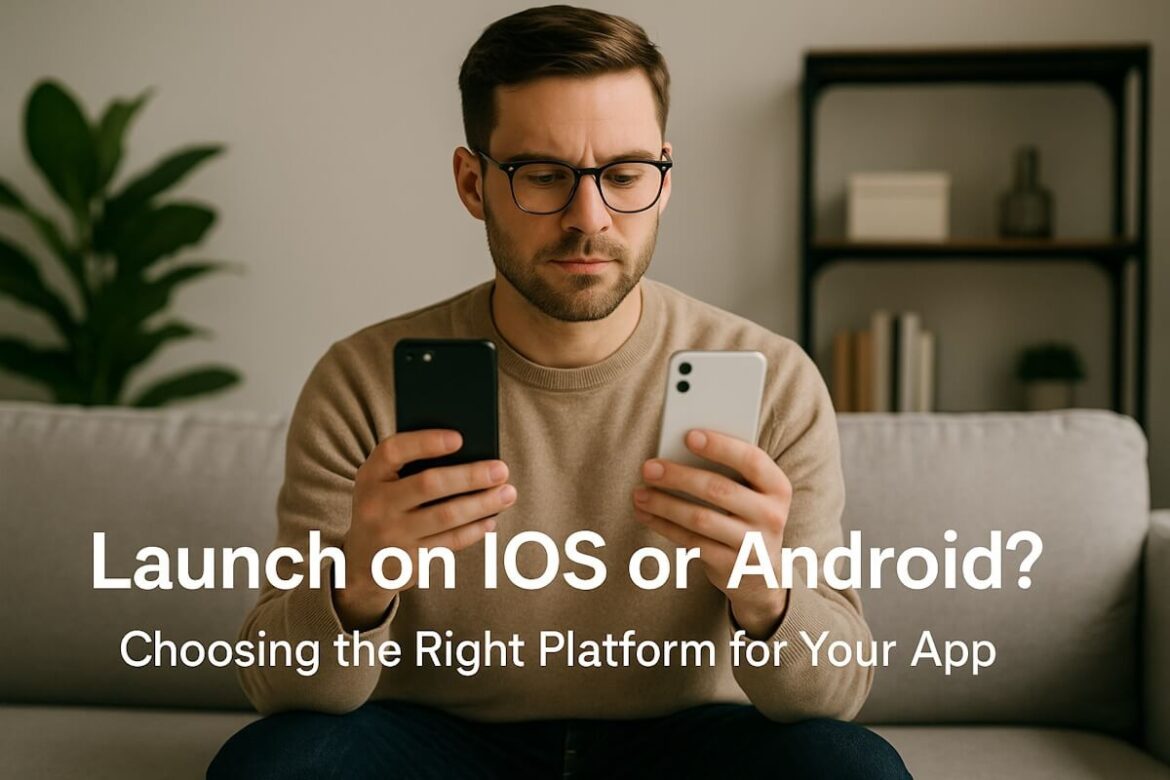
When you’re building a mobile app, one question pops up early — should you go iOS first, Android, or launch on both? It’s not a small decision. Each path has its pros, its quirks, and real consequences for your budget, timeline, and audience reach. If you’re working with a Mobile App Development Company in USA, they’re probably going to ask you about your target users before writing a single line of code.
So let’s break this down in plain terms. No tech jargon, no fluff — just real talk about the stuff that matters.
What’s the Big Deal About Picking a Platform?
You might be thinking, “Why does it even matter which one I start with?” Well, here’s the thing: iOS and Android aren’t just different operating systems. They come with different user bases, design styles, development tools, and even types of revenue potential. If your app is going to be your business or core product, making the right call could mean the difference between traction and silence.
Launching on both platforms sounds ideal, sure. But it’s not always practical — especially if you’re on a tight timeline or working with limited resources.
User Base Differences: Who’s Using What?
Let’s look at the people behind the phones.
iOS users in the U.S. tend to spend more money on apps. They’re also more likely to be on the latest version of the operating system, which can make life easier for developers. The iPhone crowd often skews toward higher income brackets, especially in North America, Western Europe, and parts of Asia.
Android users, on the other hand, dominate globally. If you’re targeting countries like India, Brazil, or large parts of Africa and Southeast Asia, Android is the clear winner in terms of volume. There’s a wider variety of devices running Android — from budget phones to high-end models — so the reach is massive. But that also means testing and optimization can get messy, fast.
Your choice depends a lot on who you’re trying to reach.
Development Costs: It’s Not Just About Money
Hiring an app developer isn’t cheap — and going cross-platform from the jump means more hours, more testing, and more budget. Most startups or smaller teams start with one platform, get user feedback, make adjustments, and then roll out the second platform later.
iOS apps are generally faster and less expensive to develop upfront. Why? Apple only makes a few iPhone models, and their hardware is consistent. Android, by contrast, runs on hundreds of different devices with all kinds of screen sizes and specs.
That’s more devices to test on. More edge cases. More support issues later. More time = more cost.
But there’s a flip side. Publishing an Android app is easier and cheaper. There’s less red tape, and you can get something live on the Google Play Store without as much hassle. Apple’s App Store has stricter rules and a more detailed review process.
So yeah, costs go beyond the hourly rate.
Time-to-Market: Speed or Scale?
If speed is what you care about most, iOS might give you a head start. There are fewer devices to worry about, and Apple’s development environment (Xcode) is pretty streamlined. Again, fewer variations in hardware mean fewer surprises when your app hits users’ hands.
Android apps take a bit longer because of device fragmentation — the fancy term for “lots of different phones to support.” If you’re building something visual, like a game or media-heavy app, Android testing can drag things out.
Still, Android’s flexibility can be a plus if you want to do things Apple might block. For instance, if you’re working on a custom AI interview platform that needs deep access to device functions, Android may give you more freedom to do your thing without rejection from the App Store.
Monetization: Who Pays More?
If you plan to make money directly from your app, it matters where your users are and what they’re willing to spend.
Historically, iOS users spend more on apps, in-app purchases, and subscriptions. It’s not even close. If revenue per user is your North Star, iOS could be the smarter play.
That said, Android is still a powerhouse — especially for ad-supported apps. With a huge global reach, Android gives you scale. If you’re building something that doesn’t depend on direct purchases — like a free mobile app using chatgpt with optional upgrades — Android might be a strong bet, especially if you want to reach users in emerging markets.
Design and User Experience: Different Worlds
Apple has very specific design guidelines. Things are clean, minimal, and consistent. If your app doesn’t play nice with these guidelines, expect delays during the review process. But the upside is predictable behavior and polished user experience.
Android, meanwhile, gives you a bit more room to be creative — but that can be a double-edged sword. More freedom can mean more room for things to break. The Material Design system is helpful, but with all the device diversity, you really need to stay on top of things to avoid sloppy UI issues.
If you’re working with a reliable Mobile App Development Company in USA, they’ll know how to handle these quirks. They’ll ask about your brand voice, user journey, and preferred user experience — and then tailor it to the platform you choose.
Maintenance: What Happens After Launch?
Apps aren’t set-it-and-forget-it. You’ll need to maintain them, fix bugs, roll out updates, and handle OS upgrades.
iOS usually requires less post-launch scrambling. Again, most users are on the latest iOS version, so you can focus updates on that and move on.
Android? Not so simple. You may need to support several Android versions at once because people don’t always update their phones. This adds complexity to your testing and development cycles.
Launching on Both: Is It Worth It?
So, what if you just bite the bullet and go for both platforms?
If you’ve got the budget and the team, sure. That way, you’re not leaving any users behind. It also gives you a broader dataset to analyze — so you’ll know who’s engaging more, where the bugs are, and what features need work.
But if you’re bootstrapping or validating an idea, going platform-by-platform might save your sanity. Start with one, learn from it, tweak things, then go to the other.
Another route? Consider cross-platform frameworks like Flutter or React Native. These tools let you build apps that work on both platforms with a shared codebase. It’s not perfect, but it can cut down on dev time and cost. It’s especially handy if your app isn’t heavily reliant on native features.
Real-World Use Cases
Let’s say you’re building an AI interview platform that automates candidate screening. You want it to be sleek, secure, and smooth. If your early adopters are HR teams in the U.S., iOS might make more sense upfront. But if you’re planning to hit global hiring markets or want to roll out Android tablets later, keep Android on your radar.
Or imagine launching a mobile app using chatgpt — maybe for real-time Q&A or business productivity. If you’re targeting tech-savvy users and want quick feedback, iOS might get you a clean MVP faster. But again, Android’s reach can’t be ignored if you want numbers and scale later on.
What’s the Call?
If you’re still on the fence, don’t stress — this decision isn’t permanent. Many apps start on one platform and go to the other once they’ve nailed down what works.
Here’s a simple checklist to help you think through it:
- Who’s your core audience?
- What’s your budget?
- How fast do you need to launch?
- Are you relying on in-app purchases or ad revenue?
- Do you need custom device features?
- How polished does it need to be at launch?
Talk to your developer or product team. Better yet, work with a Mobile App Development Company in USA that can walk you through these choices based on real data, not guesses.
Remember, it’s your app, your money, and your users. You don’t need to impress everyone at once. Get it right where it counts, and scale when you’re ready.
Want to Play It Smart?
Starting on one platform doesn’t mean playing small. It means playing smart. Whether you’re launching a content app, a niche productivity tool, or an AI interview platform, choose the path that fits your goals — not someone else’s checklist.
And if you’re building a mobile app using chatgpt, things can get complex quick. Consider cross-platform tools or hybrid apps, but don’t forget: the best tech decisions are always the ones backed by clear priorities and real user needs.